
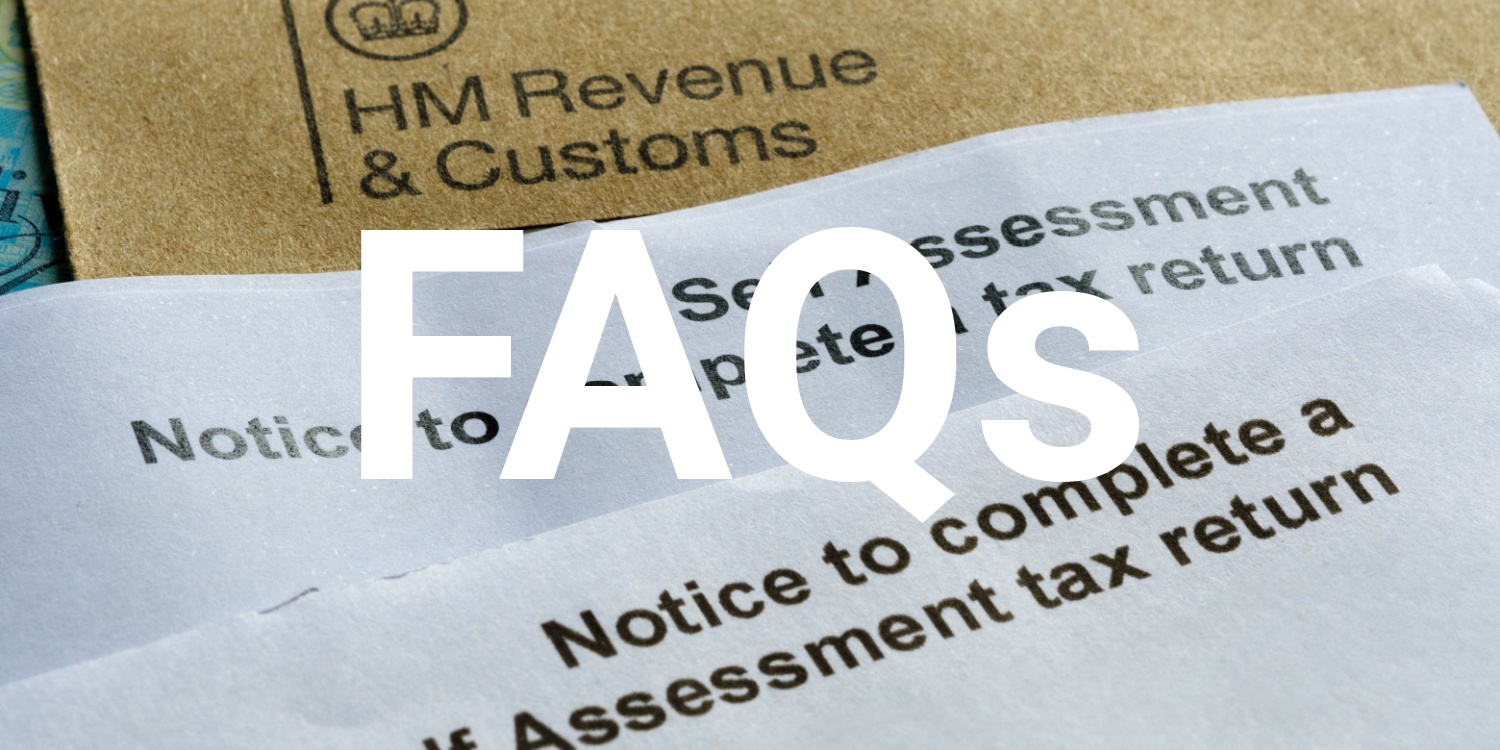

Filing a Self Assessment tax return for the first time can feel overwhelming, especially if you’re unfamiliar with the process or unsure whether it even applies to you. Whether you’re self-employed, recently became a company director, or earn income outside of PAYE, it’s essential to understand your tax responsibilities.
This comprehensive guide answers the 16 most common questions about Self Assessment, helping to demystify the process. We’ll guide you through the registration process, show you how to file your return online, and outline what to expect after submission.
Key takeaways
- Self Assessment is used to report income not taxed at source, such as self-employed profits, rental income, or dividends.
- Keep detailed records for at least five years to ensure compliance and avoid penalties during HMRC audits.
- Use HMRC’s online tools to check your need for a tax return and explore options for claiming refunds.
- Filing deadlines are 31 October for paper returns and 31 January for online submissions
1. What is Self Assessment and who needs to file?
Self Assessment is HMRC’s system for individuals to calculate and report their income tax (and class 4 National Insurance) on earnings not fully taxed at source. In practice, this means anyone with income beyond the PAYE system must usually submit an annual Self Assessment tax return. Self-employed people (sole traders or partners in a business partnership) who earned more than £1,000 in the tax year need to register and file.
- Landlord tax guide – including buying, selling, and letting property
- Side hustle tax – what you need to know
- 7 types of business taxes you need to know about
You also need to file if:
- You received untaxed income – such as rental profits, foreign income, or dividends
- You have capital gains to declare
- The High Income Child Benefit charge applies
To put it simply, if any of your earnings weren’t taxed at source, you’ll likely need Self Assessment.
2. How can you register for Self Assessment with HMRC?
If your income requires you to file, you must register with HMRC for Self Assessment. Generally, you do this via HMRC’s online service on GOV.UK. You’ll need to provide personal details and confirm when your income started. Company directors and shareholders register using HMRC form SA1.
It’s crucial to register before 5 October, following the end of the tax year you started trading. After you register, HMRC will send you a letter containing your 10-digit Unique Taxpayer Reference (UTR). You’ll need this for all future filings.
3. Do company directors need to register?
Company directors often file Self Assessment tax returns, especially if they receive dividends above the tax-free threshold.
A limited company director typically has salary and dividend income, which often needs reporting. However, if your only income is a taxed salary through PAYE and you have no other untaxed income, you shouldn’t need to file a Self Assessment return.
Directors receiving dividends or additional income from other sources should register and file each year.
4. What taxes are paid through Self Assessment?
A Self Assessment return calculates Income Tax and Class 4 National Insurance on profits for self-employed people.
This also includes:
- Capital Gains Tax on asset disposals
- Rental profits
- Dividends above the tax-free dividend allowance (£500 in 2026/27)
- Foreign income
- High Income Child Benefit charge
All taxable income not handled through PAYE is declared by Self Assessment.
5. How can you file a Self Assessment tax return?
You must submit the Self Assessment return at the end of the tax year (6 April) and before the filing deadline. The simplest way to submit the return is via the HMRC online account. You can submit from 6 April – early filing helps in planning any future payments accordingly.


When filling in the return, you must report your estimates of income, expenses, allowances, and tax relief. If your estimates are not final, you are allowed to report them provisionally.
After submission, HMRC issues a tax calculation. You can also submit paper returns using form SA100 before the paper deadline.
6. What’s the difference between filing online and by post?
You must submit your paper Self Assessment tax return by 31 October following the end of the tax year. Online Self Assessment returns are due by 31 January.
Most individuals file online unless they need to use paper forms. Online filing allows faster submission and immediate confirmation.
If you want tax collected through your PAYE code, you must file by 30 December.
When can’t you file online?
Some individuals, such as trustees of registered pension schemes or those meeting specific criteria, must file paper returns. If you need to file by post, HMRC will inform you. You should submit paper forms by the usual deadlines.
7. What should you include in your tax return?
Your Self Assessment must include all relevant income and gains, minus any allowable expenses. This may include:
- Self-employment or business income and expenses
- Employment income not fully taxed through PAYE
- Rental income and property expenses
- Savings, dividends and pension income
- Foreign income and capital gains
You do not submit receipts, but you must keep records to support the figures entered.
8. How can you fix a mistake on your Self Assessment return?
If you discover an error after filing, you can amend your return up to 12 months after the filing deadline. Online returns can be amended through your HMRC account, while paper returns require resubmission marked as an amendment.
HMRC will recalculate your tax. Overpayments are refunded and underpayments may incur interest.
9. Do you need an accountant to file a tax return?
No. Many taxpayers complete their own Self Assessment using the online facilities provided by HMRC. If you have straightforward affairs, you might not need an accountant. If you have complicated finances, an accountant can assist you in completing the form accurately and maximising relief.
Accounting software such as Xero can be an option for small business owners and freelancers to simplify their Self Assessment tax return.
How can you find your Unique Taxpayer Reference (UTR)?
Your UTR is a 10-digit number issued by HMRC when you register for Self Assessment. It appears on HMRC letters and in your online tax account. If you cannot find it, you can request it from HMRC. For more information, see What is a Unique Taxpayer Reference (UTR)? on the QCF blog.
10. What Self Assessment deadlines do you need to know?
You must register for Self Assessment by 5 October following the end of the tax year in which you became self-employed or earned untaxed income.
The Self Assessment deadlines you need to know are:
- 5 October: Register with HMRC
- 31 October: Paper returns
- 31 January: Online submissions
Tax must usually be paid by 31 January, with a second payment on account by 31 July if required. Missing deadlines can result in penalties.
11. How can you pay your Self Assessment tax bill?
The deadline for submitting your Self Assessment is 31 January each year, with payments on account due in January and July. You can pay your tax online using bank transfer, debit card, credit card, Direct Debit, as well as through payment schemes offered by HMRC. You will incur additional fees if you pay late.
12. What should you do if you can’t afford your tax bill?
If you do not have enough money to pay your tax bill, contact HMRC as soon as possible. They may be able to enter a Time to Pay agreement with you to pay off tax liabilities in instalments, helping you avoid additional penalties.


If you need time to pay, visit Gov.uk to apply for instalments.
13. What are the penalties for late filing and late payment?
Overdue filing will result in an immediate fine of £100. After three months, additional daily penalties of £10 per day apply. Fixed percentage-based charges then apply, depending on how late the filing is. Late payment will incur charges and interest due at 30 days, 6 months, and 12 months. Remember to pay on time to avoid extra costs.
14. Can you get a Self Assessment tax refund?
Yes. If there has been an overpayment on the tax, HMRC will repay it automatically. This refund goes directly into your bank account after the return is processed.
15. What records must you keep for Self Assessment?
You will need to maintain records to support your tax return, which include income, expenses, and bank statements. These records need to be maintained for at least five years after filing by anyone who is self-employed or a landlord. HMRC can request them if your tax return is audited.
Digital records are acceptable – you may keep digital receipts and statements as long as they are clearly labelled and accessible.
16. How can you tell HMRC you no longer need to file?
If you decide to stop trading or do not meet the criteria for Self Assessment, let the HMRC know as soon as possible. You can do this using the online tax account or by making contact directly. If you are closing your company, there is a specific process which you can follow to make sure everything is closed correctly.
Filing your Self Assessment tax return
If you are a sole trader or director, then ensure that you understand Self Assessment and how to file it correctly.
If you’re planning to set up a new company and want support with tax compliance from the start, explore how registering your company with QCF can help.
Our company formation services include expert guidance to help new business owners stay compliant from day one. Learn more about our Hassle-Free Compliance Service for ongoing support with annual filings, deadlines, and record-keeping.



Join The Discussion
Comments (4)
Excellent piece of work, so clear and precise. Well done!
Thank you all.
Thank you for your kind comment. We’re glad you enjoyed the article.
Kind regards,
The QCF Team
Thanks for the article! It was helpful learning about these 16 self-assessment questions for my own expert financial advice UK business.
Thank you for your comment, David. We’re glad you enjoyed the article.
Kind regards,
The QCF Team